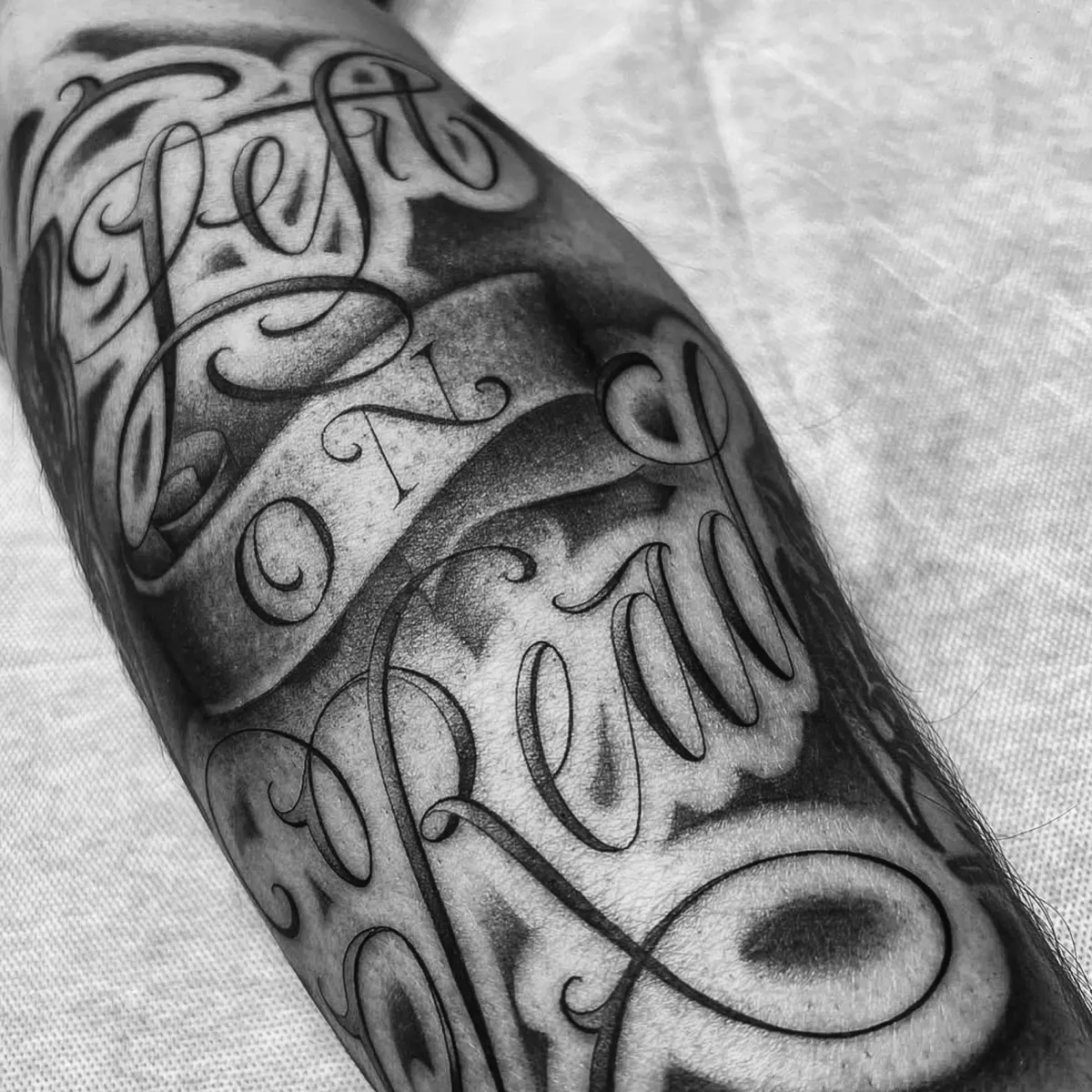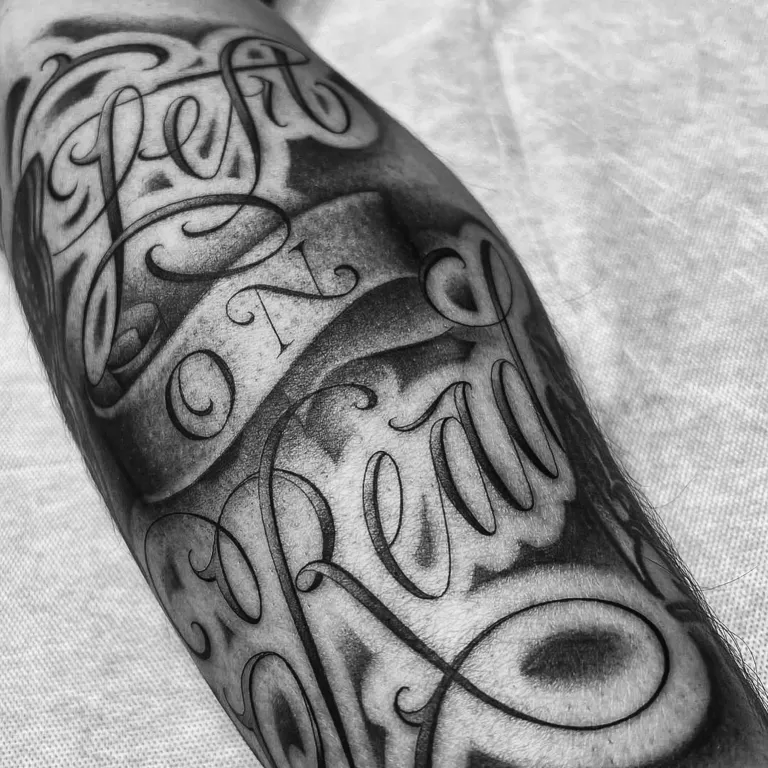
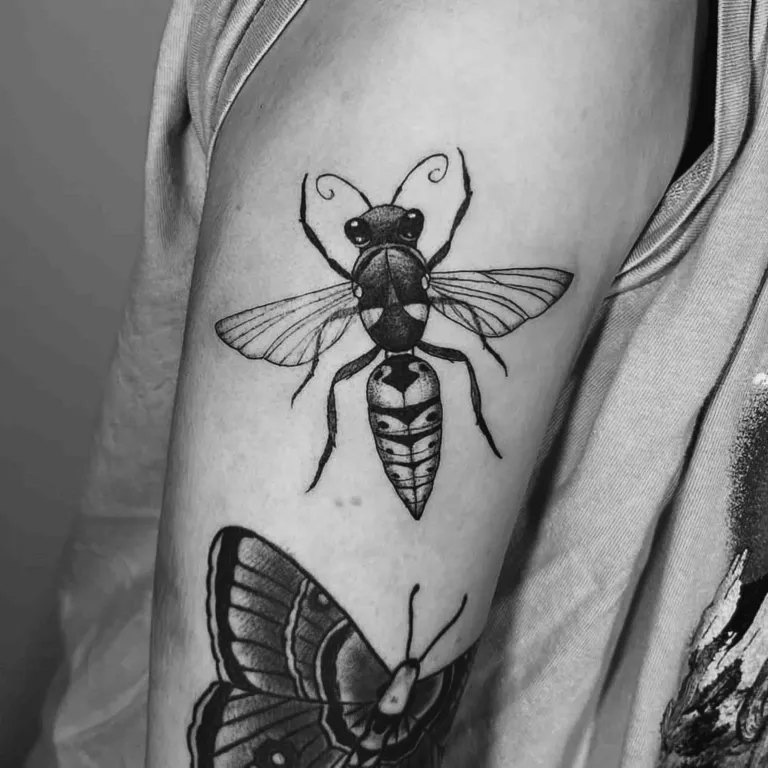
Two of the most-asked-for looks walking into the studio sit at opposite ends of the same craft. Fine line is all delicacy — whisper-thin strokes, airy detail, a piece that almost floats on the skin. Traditional is its bolder relative — thick outlines, solid colour, a design built to read clearly from across a room and to stay that way for decades. Both are beautiful. Neither is better. The right one for you comes down to the feeling you are after, where it will live on your body, and how you want it to age. Here is how to weigh the two.
What fine line tattoos actually are
Fine line work is defined by exactly what the name suggests — thin, precise lines, often laid down with a single needle or a tight cluster. The result is elegant and understated: delicate florals, slim script, small symbols, minimal portraits, the kind of piece that reads as quiet detail rather than a statement. It suits people drawn to subtlety, and it sits beautifully on slimmer areas like the wrist, the inner arm, the collarbone or behind the ear.
What you trade for that delicacy is a little robustness. Very fine lines have less ink holding them open, so over many years they can soften and spread a touch more than heavier work. A skilled artist designs around this — leaving room between elements, choosing placement that wears well — but it is the honest character of the style, not a flaw.
Fine line is a whisper; traditional is a statement — and both can be exactly right, depending on what you want the piece to say.
What makes a traditional tattoo
Traditional — sometimes called old-school or American traditional — is the look most people picture when they think of a classic tattoo. Bold black outlines, a tight palette of solid colours, clean shapes and timeless motifs: swallows, roses, anchors, panthers, hearts, banners. It is a style with a century of history behind it, and it earned that longevity because it works.
The bold outlines and solid fills are not just an aesthetic choice — they are built for the long game. Heavier lines and dense colour hold their shape as skin changes over the years, which is exactly why a well-done traditional piece can look as crisp at twenty years as it did at two. If you want something with presence that will stay legible for life, this is the style that delivers it most reliably.
How they age — the honest comparison
Ageing is where the two styles part ways most clearly, and it is worth being clear-eyed about it. Every tattoo softens over time as skin renews itself and the body slowly disperses the ink — that is normal for all of them. The difference is one of degree. Bold traditional lines have more ink and more space to lose before the design starts to blur, so they hold their read for a very long time. Fine, closely-spaced detail has less margin, so it tends to show its age a little sooner.
That does not mean fine line is a poor investment — plenty of fine pieces look lovely for many years with good care. It simply means the two ask different things of you. If "still sharp in thirty years with little fuss" is your priority, traditional has the edge. If you love the delicacy and accept a gentle softening as part of the piece's life, fine line is a fair choice. Our guide to how tattoos age over time goes deeper on what to expect and how to slow it.
Placement and size: matching the style to the spot
Where a piece lives matters as much as how it is drawn, and the two styles have different sweet spots. Fine line rewards calmer, lower-movement areas — the forearm, the upper arm, the back, the calf — where the skin stretches less and delicate detail stays put. High-friction, high-flex spots like fingers, feet and the side of the hand are tougher on fine work; they wear faster everywhere, but they are least forgiving of thin lines.
Traditional is more relaxed about placement precisely because it is built tougher, which is part of why it adapts so well to bold, body-following work like sleeves and chest pieces. Size plays in too: very small fine-line designs can lose their finest detail as they settle, so an honest artist will sometimes nudge a tiny intricate piece a touch larger so it ages gracefully. If you are still weighing where a piece should go, our piece on choosing the right placement is a good next read.
Choose the spot for the style, not just the style for the spot — the two decisions are really one.
The session itself — what each feels like
The experience in the chair differs as well. Fine line is often a patient, precise process — controlled passes, fine needles, an artist working slowly to keep every line clean. The sensation is usually a sharper, more scratchy feeling rather than a heavy one, and small pieces can be quick. Traditional involves bolder outlining and then packing in solid colour, which is a more sustained, warmer sort of sensation, especially across larger fills.
Neither is "more painful" as a rule — it depends far more on placement, size and your own day than on the style itself. What matters is turning up rested, fed and hydrated, whichever you choose. If you are new to all of this, our notes on what to eat and drink beforehand set you up well for either kind of sitting.
So which one suits you?
It comes down to the feeling you want and the life you want it to have. Reach for fine line if you love understated, delicate detail, you are drawn to small or slim placements, and you are happy to treat the piece as something gentle that softens with you over the years. Reach for traditional if you want presence, clarity and colour, you like the idea of a design that stays crisp and readable for life, and you are happy to commit to something bold from the outset.
And remember it is not strictly one or the other. Many of the pieces we are proudest of borrow from both — a fine-line element softening a bolder composition, or traditional structure giving a delicate design the backbone to last. The most useful thing you can do is bring your reference images and let the conversation do its work. Tell us the mood you are chasing, where you imagine it, and how you want it to feel in ten years' time, and we will help you land on the style — or the blend — that fits.
One honest closing note: whichever style you choose, the result depends just as much on the healing as the design. Follow the aftercare your artist gives you, and if a settling tattoo ever shows signs of infection — spreading redness, heat, swelling or pus — see a doctor.