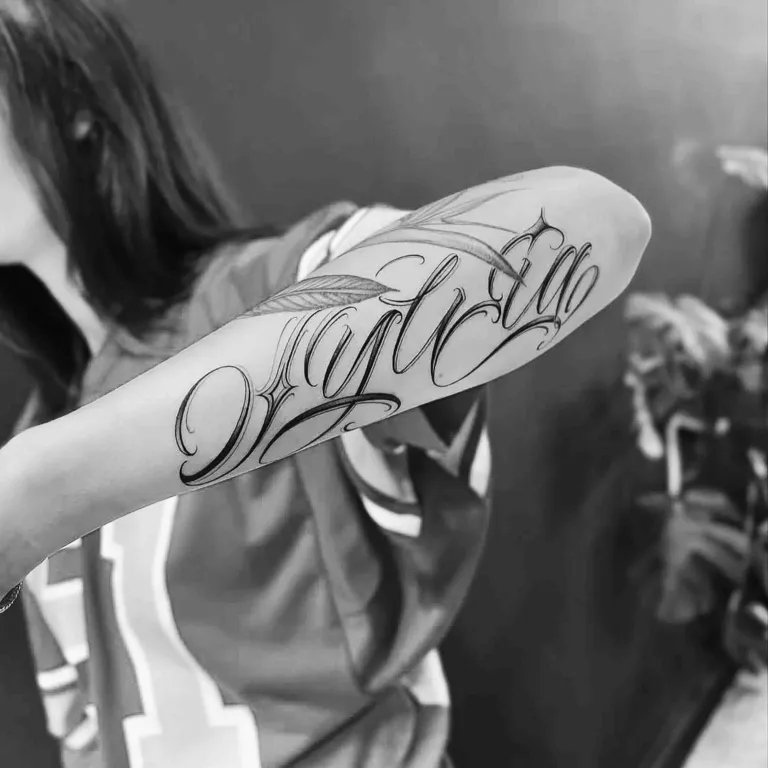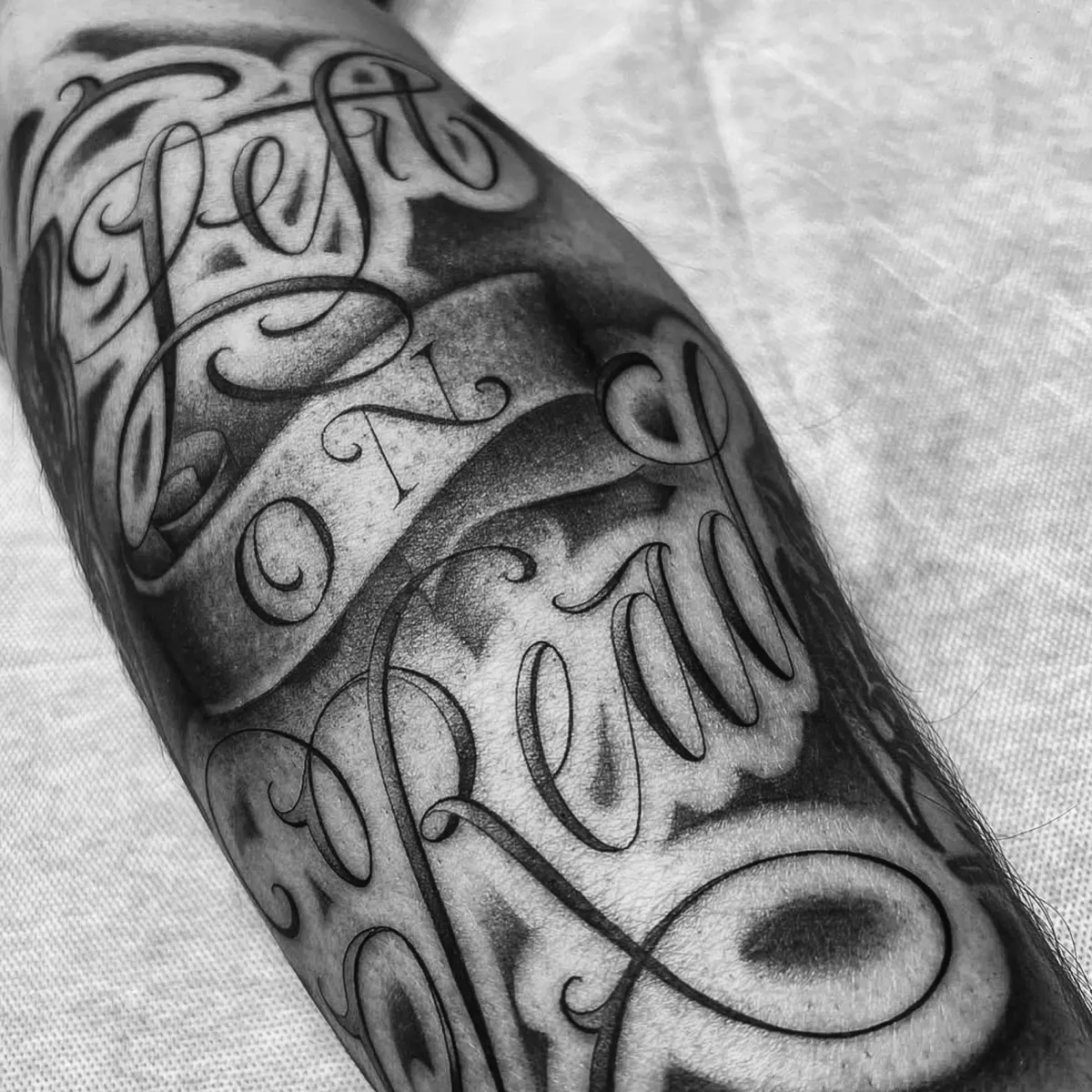
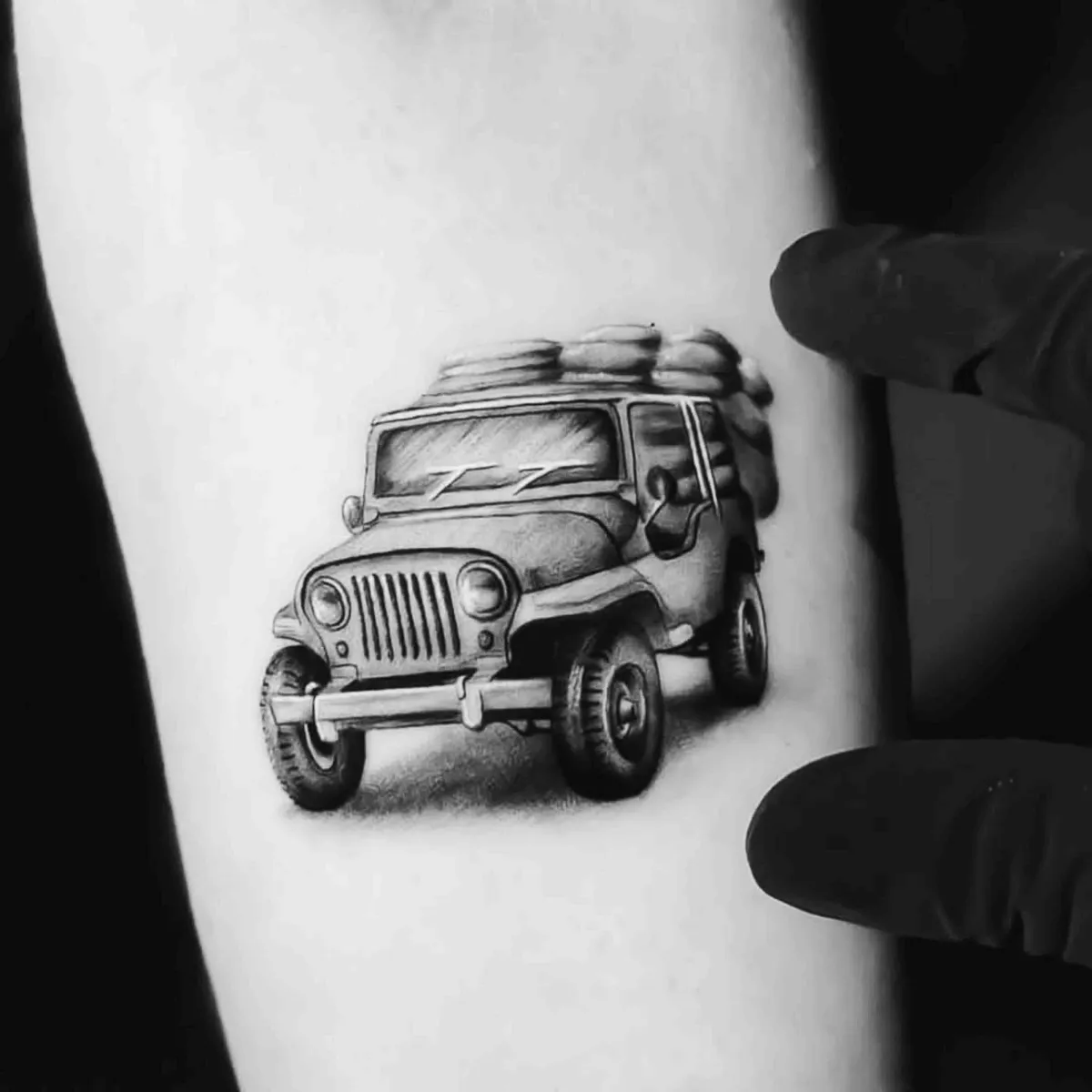
Realism is the style people point to when they want a tattoo that looks like the photograph it came from — a portrait you would recognise across a room, an animal with light in its eyes, an object rendered with weight and texture. Done well, it is quietly astonishing. It is also among the most demanding things an artist can do on skin, and that is worth understanding before you book. A realistic piece asks more of the reference, the size, the time and the artist than almost any other style. Here is how to approach it.
What realism actually is
Realism aims to reproduce a subject as the eye sees it, building form out of smooth gradients of tone rather than the bold outlines that define traditional work. There is rarely a hard black line holding the image together; instead the shape emerges from light and shadow, the way it does in a photograph or a painting. That single difference shapes everything else — how it is designed, how long it takes, how it heals and how it ages.
It comes in two broad families. Black-and-grey realism works in washes of black diluted to soft greys, and is the more forgiving of the two over time. Colour realism adds the full spectrum and can be breathtaking, though it leans on the artist's command of how pigments read on your particular skin. Your artist will guide you toward the one that suits the subject and your skin tone.
Realism is built from light and shadow, not from line — which is exactly what makes it so demanding, and so rewarding.
It is a specialist style
Not every excellent tattooer is a realism artist, and that is no slight on anyone — it is simply a different discipline. Rendering convincing tone, capturing a likeness, and judging how soft a gradient needs to be so it still reads in years to come are specific skills, honed over a long time on a lot of skin. The single most important decision you make with a realistic piece is who does it.
Look at an artist's healed work, not just fresh photos taken the day it was done — the real test is how a piece settled six or twelve months on. Ask to see portfolios of the kind of subject you want; a brilliant animal artist is not automatically a brilliant portrait artist. At Full Moon we will be straight with you about whether a piece is in our wheelhouse. The consultation is where we work all of this out together.
Reference is everything
A realistic tattoo can only ever be as good as the reference it is built from. A sharp, well-lit, high-resolution image gives the artist the detail and tonal range they need; a blurry or heavily filtered photo simply does not carry enough information, and no amount of skill invents what was never captured. If the piece matters — and a portrait usually does — it is worth sourcing the best possible photo, even arranging a fresh one.
For portraits especially, bring more than one image if you can. A clear face-on shot is the foundation, but extra angles help the artist capture a true likeness rather than a flat copy. Be open to gentle adjustments, too — an artist may suggest cropping, simplifying a busy background or shifting the composition so the piece sits well on the body. That is craft, not compromise.
Size, placement and the room to breathe
Realism needs space. Fine tonal gradients and small details require physical room to be rendered cleanly, and a piece squeezed too small will blur into a grey smudge as it heals and ages — the detail you were paying for is the first thing lost. A portrait crammed onto a wrist rarely ages kindly; the same portrait given a forearm or the upper arm can hold its detail for decades.
Flatter, broader areas of the body — the forearm, upper arm, thigh, back, calf — are realism's natural home, giving the artist an even canvas to work the tone across. We will talk through where a subject sits best, balancing the detail it needs against where you want to wear it. Our guide to choosing placement goes deeper on that conversation.
Give a realistic piece room to breathe — the detail you are paying for needs space to survive the years.
Time, sessions and the deposit
Patience is part of the deal. Building up smooth tone is slow, deliberate work, and a sizeable realistic piece is often several sittings rather than a single afternoon — with healing time between them so the artist works each pass into settled skin. Trying to rush a realistic tattoo is the surest way to undermine it.
Because of the planning and chair time involved, realism is generally priced at the upper end — you are paying for a specialist's hours and a great deal of experience. Any figures we share are a guide only; your real quote is set by the artist once they have seen the reference and understood the scope. A deposit secures the booking and the design time, and it comes off the final price.
How realism heals and ages
The healing follows the same path as any tattoo — keep it clean, moisturise lightly, stay out of the sun and the pool while it settles — but realism rewards extra patience through the process. The peeling stage can briefly make soft greys look patchy or cloudy; that is normal, and the tone evens out as the skin finishes healing. Resist the urge to judge a realistic piece until it has fully settled.
Over the long run, realism asks a little more care than a bold-line style. Those soft gradients are more vulnerable to the sun than solid black, so diligent sunscreen on a healed piece is the single best thing you can do to keep it sharp — doubly true under the Australian sun. A subtle touch-up every so often can refresh contrast as the years pass. Treat it as an investment you maintain, and a realistic tattoo can stay striking for a very long time.
Is realism right for you?
Realism suits a particular kind of idea — a portrait of someone you love, a beloved animal, an object with real meaning — and a person happy to give it the size, the sittings and the ongoing care it deserves. If that is you, there are few more rewarding things to wear. If your idea is bolder, more graphic or more compact, a different style may serve it better. Comparing it against the alternatives in our guide to choosing a style is a good next step.
The best way to know is to talk it through. Bring your reference and your idea, and we will give you an honest read on what it will take and whether it is the right call. General care advice here is no substitute for medical attention — if a healing tattoo shows signs of infection such as spreading redness, heat, swelling or pus, see a doctor.