
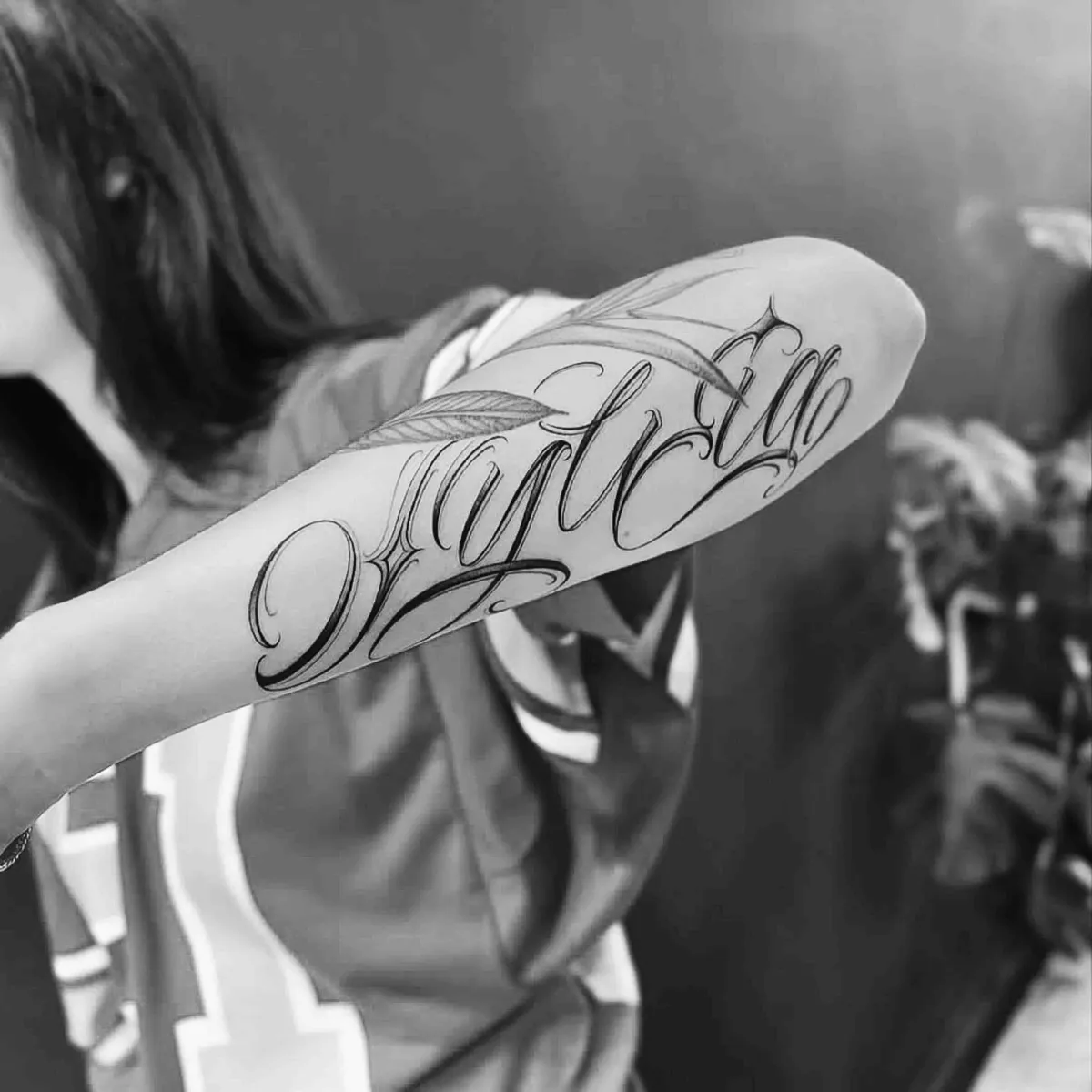
Cleaning a new tattoo is one of those tasks that feels far more delicate than it actually is. People imagine some careful, technical ritual; in truth it is just clean hands, lukewarm water and a gentle touch, repeated a couple of times a day until your skin has closed over. Done simply and consistently, washing is the single most important thing you do to give the work a clean, even heal — and to keep the ink looking exactly as your artist laid it down. Here is how to do it well, without overthinking it.
Why washing matters more than you think
A fresh tattoo is an open wound, however neat it looks. As it heals it weeps a little plasma, lifts away a thin layer of ink, and naturally attracts dust, lint and the bacteria that live on every surface you touch. Gentle washing clears all of that away before it has a chance to settle into the skin, dry into a crust, or take hold as an irritation. Skip it and you give grime and bacteria somewhere to gather; over-handle it and you fret the healing skin. The middle path — a calm, regular clean — is what keeps the surface settled and lets the colour knit in evenly underneath.
Think of it less as scrubbing and more as resetting. Each wash returns the tattoo to a clean baseline so the next stretch of healing happens on fresh, untroubled skin.
A good clean is gentle and unhurried — you are caring for the skin, not scrubbing a stain out of it.
Clean hands come first, always
Before you go anywhere near the tattoo, wash your own hands thoroughly with soap and warm water. This is the step people are quickest to skip and it matters the most — your hands are the most likely thing to carry bacteria onto a healing wound. A quick wash is not a formality; it is the difference between cleaning the tattoo and introducing something to it. Only once your hands are properly clean should you touch the area at all.
The same rule applies all day, not just at wash time. Resist the urge to pick, scratch or prod at the tattoo with unwashed hands as it heals, however much it itches. If you must touch it, clean hands first — every time.
The simple wash, step by step
The wash itself takes under a minute and asks for nothing fancy. Run the tap to lukewarm — never hot, which can irritate the skin and open the pores more than you want this early. Here is the whole of it:
- Wet the tattoo gently with lukewarm running water.
- Put a little mild, fragrance-free liquid soap on clean fingertips and work up a light lather.
- Wash the tattoo with your fingers in soft, circular motions — no cloth, no sponge, no loofah, which all hold bacteria and are too abrasive for new ink.
- Gently lift away any plasma, weeping or dried matter on the surface; do not pick at anything that has not loosened on its own.
- Rinse thoroughly with lukewarm water until no soap remains.
Use your hands and nothing else. Bare fingertips give you the control to be gentle and let you feel exactly how much pressure you are using — which should be very little. The goal is a clean surface, not a deep clean.
Lukewarm water and the right soap
Two small choices make most of the difference: temperature and product. Lukewarm water is kind to healing skin where hot water is not — save the hot showers for elsewhere on your body and keep the tattoo out of the direct stream. For soap, plain and unscented wins every time. A mild, fragrance-free, dye-free liquid wash is ideal; the perfumes and additives in many regular soaps and body washes can sting fresh skin and provoke irritation just when you want everything calm.
You do not need a special "tattoo wash" sold at a premium. A gentle, fragrance-free soap from any chemist does the job perfectly. If you are unsure what to use, your artist will happily point you to something sensible — we would rather you ask than guess.
Patting dry, never rubbing
How you dry the tattoo matters as much as how you wash it. Once rinsed, pat the area dry with a clean paper towel, or let it air-dry for a few minutes. Never rub it with a bath towel: rubbing drags at the healing surface, and a household towel carries lint and bacteria you have just spent a minute washing away. Patting lifts the moisture without disturbing anything.
Make sure the skin is properly dry before you do anything else. Sealing moisture under a layer of aftercare cream is a common misstep — trapped damp slows healing and can lead to irritation. A clean, dry surface is the right foundation for the next step.
Pat it dry, let it breathe a moment, then a thin layer of cream — in that order, every time.
How often, and for how long
For most pieces, washing twice a day is the sweet spot — once in the morning and once in the evening — with an extra clean any time the tattoo gets visibly dirty or sweaty. Twice a day keeps the surface clean without over-handling it; washing constantly, on the other hand, can dry the skin out and slow things down. Let your artist's specific instructions guide you, as the placement and size of your piece can shift the routine a little.
Keep this up through the first couple of weeks, while the skin is closing over, peeling and settling. Once the surface has fully healed and is no longer flaking or tender, you can ease back to simply keeping it clean as part of your normal routine. After a gentle wash and a proper pat-dry, a thin layer of fragrance-free moisturiser is usually the next step — our guide to moisturising a healing tattoo covers getting that balance right.
A few things to avoid while it heals
Cleaning is about more than the wash itself; it is also about not undoing your good work. While the tattoo is healing, keep it out of soaking water — no baths, pools, spas or the sea — as prolonged soaking softens the skin and risks introducing bacteria. Quick lukewarm showers are fine; just do not let the tattoo sit under the stream or stay submerged. Steer clear of harsh chemicals, exfoliants, and anything fragranced on or near the area. And as tempting as it is, do not pick at flakes or scabs — let them fall away on their own as part of normal healing.
Most healing is uneventful, and a steady wash-and-dry routine is most of the battle. That said, general care advice is no substitute for medical attention. If a healing tattoo shows signs of infection — spreading redness, heat, swelling, or pus — do not try to clean your way through it; see a doctor. For the bigger picture of how the skin changes from day to day, our day-by-day aftercare guide walks through the first two weeks.