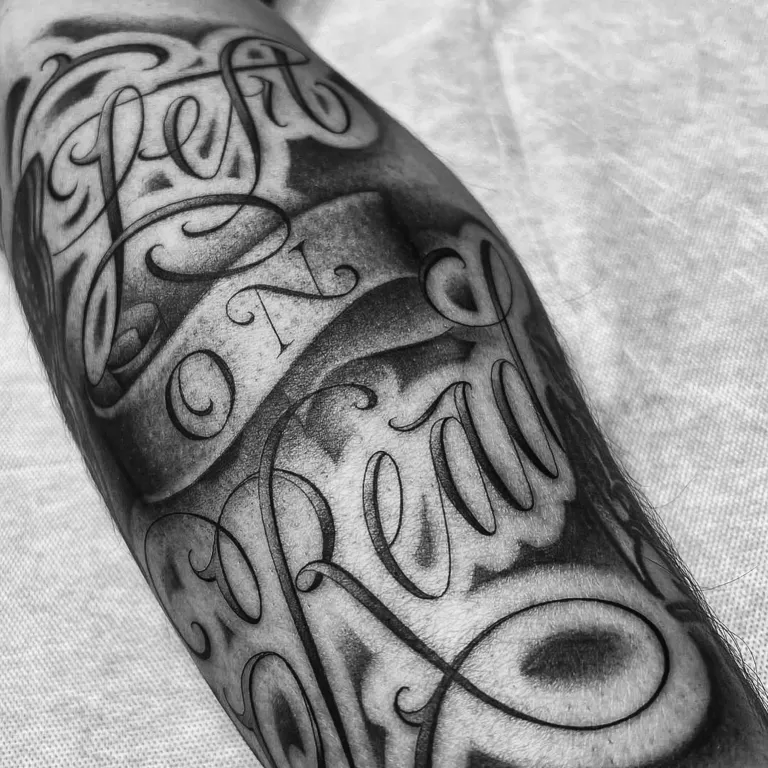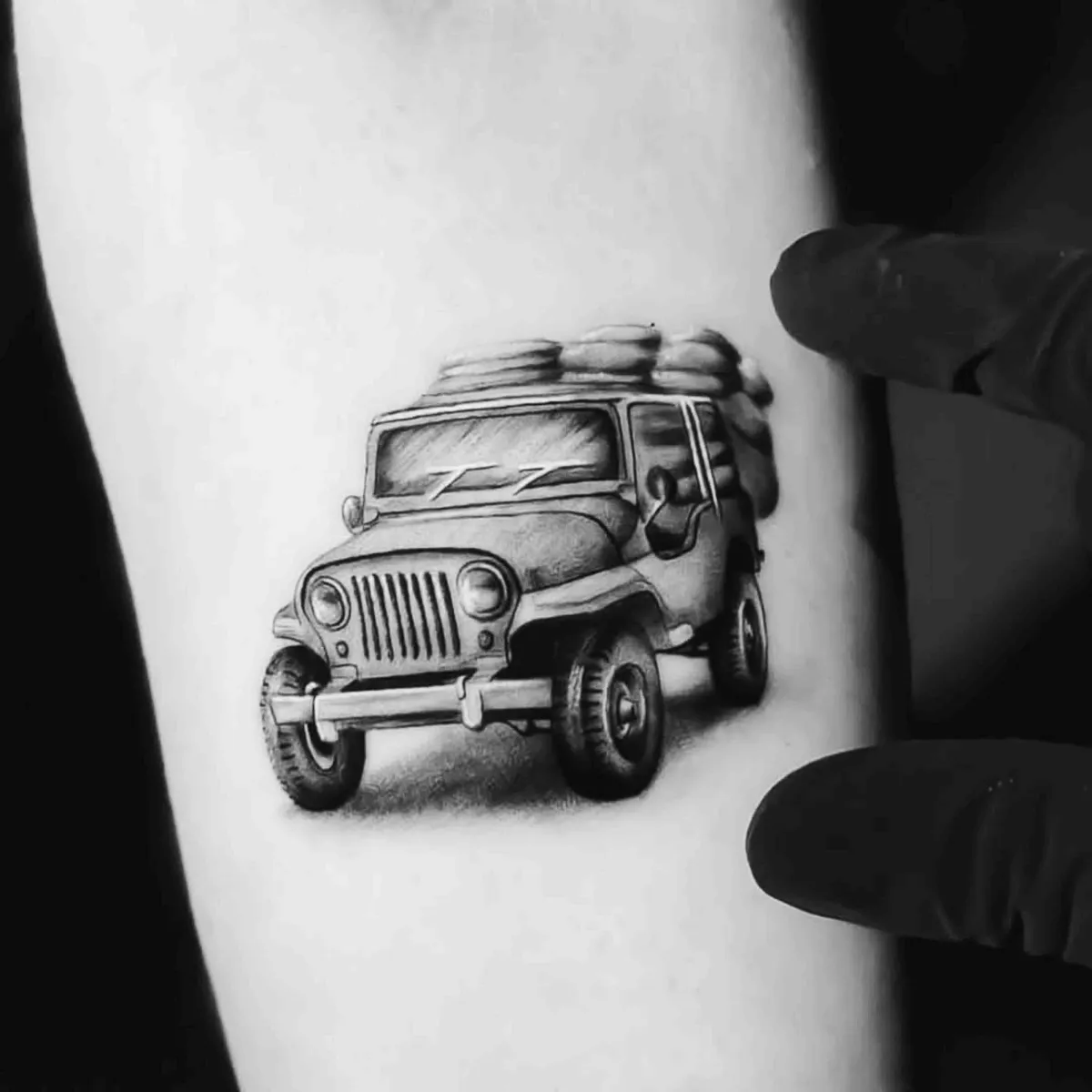
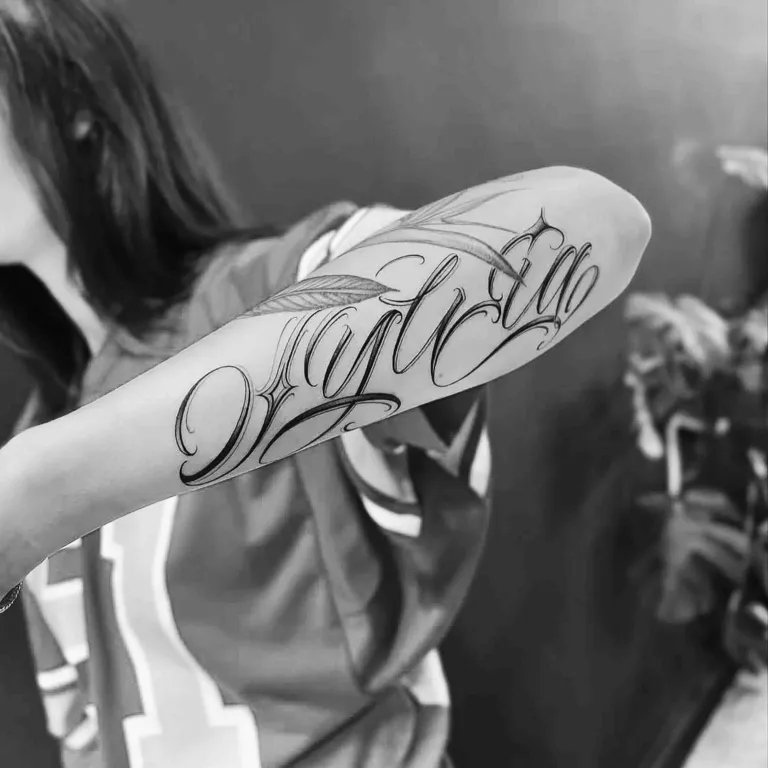
Of all the aftercare steps, moisturising is the one people most often get wrong — and almost always by doing too much of it. A healing tattoo does not want to be drowned. It wants a thin, breathable film of moisture at the right moments, enough to keep the skin supple while it knits itself back together. Get the balance right and the work settles cleanly. Smother it and you trade one problem for another. Here is how to moisturise a healing tattoo without overdoing it.
Why a healing tattoo needs moisture at all
A fresh tattoo is, in the simplest terms, a graze with ink set into it. As the surface knits back together it dries, tightens and eventually flakes away, taking the spent outer layer with it. A little moisture keeps that process comfortable: it stops the skin pulling tight, eases the itch of the peeling stage, and helps the flakes lift cleanly rather than catching and tearing.
The key word is little. Moisturiser supports your skin while it does the real work — it is not the thing doing the healing. Your body manages that on its own, provided you keep the area clean and do not get in its way. Think of it as quiet maintenance, not a cure.
A healing tattoo wants a thin breathable film — enough to stay supple, never enough to smother.
When to start — not on day one
Resist the urge to slather lotion on the moment you get home. For the first day or two the area is still settling, often weeping a little plasma, and it simply does not need a moisturiser yet. Adding cream too early traps that fluid against the skin and can leave the surface soggy. In those opening days the priority is gentle cleaning, not lubricating.
Once the initial weeping has stopped and the skin starts to feel tight and dry — usually a couple of days in — that is your cue to begin moisturising. If your artist sent you home in a second-skin adhesive film, follow their timing for that instead; you generally will not moisturise underneath it, and you start the cream only after the film comes off. When in doubt, the aftercare your artist gave you wins over anything you read online, this guide included.
How much to use — the thin-layer rule
This is where most people go astray. The right amount is a thin layer, rubbed in until it has all but disappeared — the skin should look very lightly conditioned, not shiny or wet. A pea-sized blob covers a surprisingly large area. If your tattoo looks glossy, slick or like it has cling film over it, you have used far too much.
Why does over-moisturising matter? Skin needs to breathe to heal. A heavy, occlusive coat seals it off and traps warmth and moisture against the surface, creating exactly the damp, airless conditions that clogged pores, breakouts and, at worst, infection prefer. A thick layer can also lift forming scabs prematurely — the one thing you are trying to avoid. Two or three light applications a day is plenty for most tattoos; if your skin still feels dry between them, do not pile on more cream — drink some water and check you are not overwashing.
If the tattoo looks shiny or wet, that is your signal to wipe some off — not to add another layer.
Choosing the right moisturiser
Keep it simple and keep it bland. A good healing tattoo moisturiser is unscented, free of harsh additives, and as plain as you can find. Fragrances, essential oils and active ingredients all have the potential to irritate broken skin, so they are best left out while the work heals.
A light, unscented lotion or a dedicated tattoo aftercare balm both do the job well. Thick petroleum-based ointments have their place in the very earliest stage if your artist recommends one, but they are heavy and occlusive, so most people move to a lighter lotion once the weeping stops. A few sensible pointers:
- Fragrance-free and dye-free — the plainer the ingredients list, the better.
- A lotion or balm rather than a heavy, greasy ointment for the main healing stretch.
- Nothing with menthol, alcohol, retinol or other actives — they sting and irritate.
- Apply with scrupulously clean hands every single time, no exceptions.
You do not need a boutique product. A trusted, no-frills moisturiser from any chemist near the studio on Chapel Street will serve you perfectly well. If you ever react to one — redness that spreads, an itch beyond the normal flaky stage — stop using it and switch to something plainer.
How to apply it cleanly
The routine pairs neatly with cleaning. Wash the tattoo gently with lukewarm water and a mild, fragrance-free wash, pat it dry with a clean paper towel or let it air-dry, then apply your thin layer of moisturiser. Always moisturise onto clean, dry skin — sealing cream over a damp or unwashed surface is how trouble starts.
Use your fingertips, not a flannel or anything reused, and smooth the cream on in a thin film rather than massaging it in hard. Wash your hands before you start. Through the itchy peeling days the temptation to scratch is real; a light moisturise takes the edge off, but never pick, peel or rub at flakes — let them come away on their own. For the full step-by-step on the washing side of the routine, our guide to cleaning a new tattoo walks through it in detail.
Common moisturising mistakes
Almost every moisturising problem comes back to overdoing it in one form or another. The usual culprits:
- Too much cream. A glossy, wet-looking tattoo is over-moisturised — ease right back.
- Starting too early. Cream over weeping skin in the first day or two does more harm than good.
- Applying too often. Constant reapplying never lets the skin breathe; two or three light coats a day is enough.
- Scented or active products. Fragrances and actives sting broken skin — keep it plain.
- Dirty hands. The fastest way to introduce a problem onto healing skin.
Get those right and moisturising becomes the easy, almost forgettable part of aftercare it should be. The aim throughout is supple, comfortable skin — never a slick, smothered surface.
When to ease off — and when to see a doctor
Once the peeling has finished and a softer, slightly shiny new layer of skin has come through — commonly around the two-week mark, though it varies — you can move from healing-specific moisturising to simply keeping the skin nourished as part of your normal routine. A daily moisturise from then on keeps the area soft and the colours looking their best for the long run. There is no harm in continuing well past healing; a well-cared-for tattoo holds its richness far longer.
One honest caveat: this is general comfort and care advice, not medical guidance. Some redness, warmth and itch is part of normal healing. But if a tattoo shows signs of infection — spreading redness, increasing heat or swelling, pus, or a fever — do not try to manage it with more cream. See a doctor. For a clear sense of where the line sits, our guide to what is normal versus what is not is worth a read, and you are always welcome to call the studio if something does not seem right.