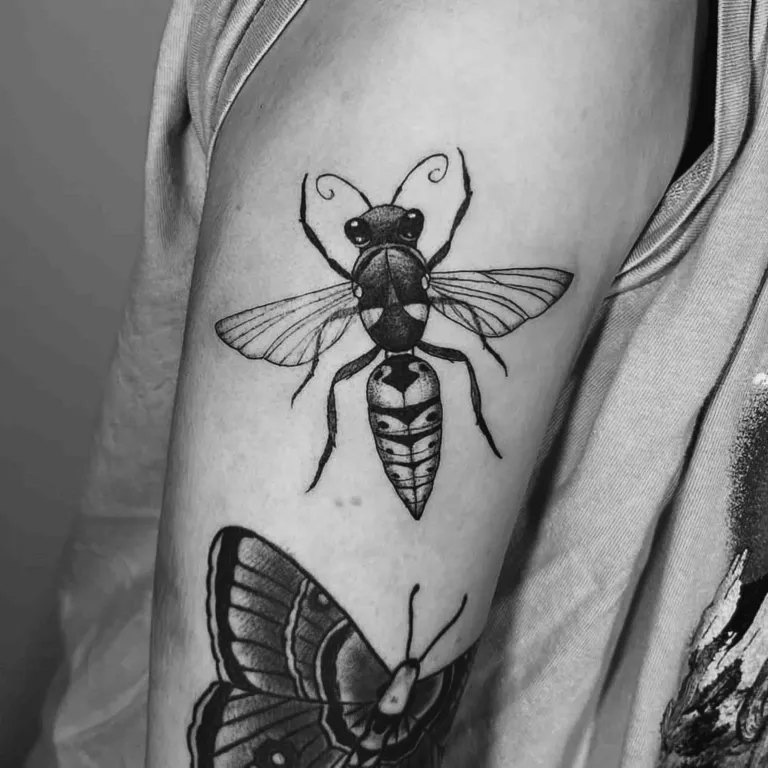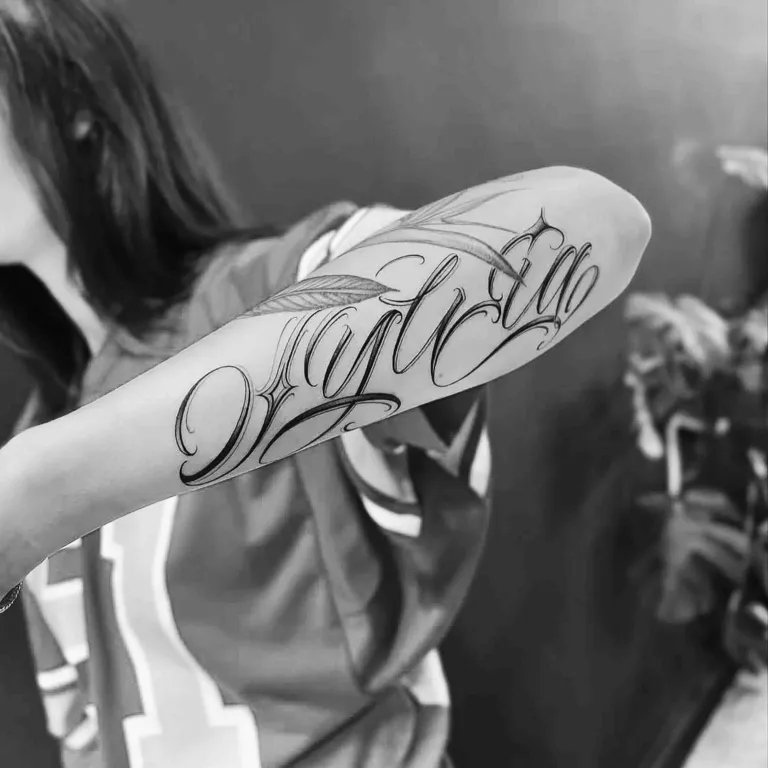

Plenty of attention goes into the first two weeks of a new tattoo, and rightly so. But healing is only the start of the story. A piece you got years ago can still look rich and crisp today — or it can drift quietly toward soft and faded — and the difference comes down to a few simple habits kept up over the long haul. The good news is that none of it is hard, and most of it is the same care you would give your skin anyway. Here is how to keep an older tattoo looking like the day it settled.
Why tattoos fade and blur over time
A tattoo lives in the dermis, the deeper layer of skin, which is why it lasts. But it sits inside living tissue, and that tissue keeps doing what skin does: shedding, renewing, ageing. Over years, two things gradually soften a piece. The first is ink dispersal — pigment particles migrate a touch and the body slowly carries the finest ones away, which can blur a once-sharp edge. The second is the skin above the ink growing drier, thinner and less even with age, so light passes through it differently and colours read duller.
None of this is a flaw in the work; it is simply biology. A well-placed, well-built tattoo ages slowly and gracefully. What you do day to day decides how slowly. The aim is not to stop time but to keep the canvas in good condition so the art beneath it stays legible for decades.
A tattoo is art on living skin — look after the skin, and the art looks after itself.
Daily moisturising keeps the canvas healthy
Long after a tattoo has healed, moisturising remains the single easiest habit that pays off. Well-hydrated skin is plumper, smoother and more translucent in the right way, so the ink underneath reads clear and saturated. Dry, flaky skin does the opposite — it scatters light and makes even a fresh piece look dull and tired. A simple, unscented moisturiser worked in once a day, the way you would care for any skin you want to keep in good shape, keeps an old tattoo looking its best.
You do not need anything elaborate or expensive. A fragrance-free lotion or a light body cream is plenty. The point is consistency, not the product — a tattoo you moisturise as part of your normal routine will simply look richer than one you forget about. Pay particular attention to areas that dry out quickly, like forearms, hands and lower legs.
Sun protection is the number one factor
If there is one thing that decides how an old tattoo ages, it is the sun. Ultraviolet light breaks down tattoo pigment over time, and in Australia that light is fierce — the same UV that ages and damages skin fades ink faster than anything else you will encounter. A piece kept out of the sun can look sharp for decades; the same piece exposed season after season without protection will lighten, lose contrast and soften far sooner.
The fix is straightforward: once a tattoo is fully healed, treat it like skin you want to protect for life. Apply a high-SPF, broad-spectrum sunscreen over it whenever it will be in the sun, top it up across the day, and cover it with clothing when you can. A Melbourne summer, a long beach day, a few hours in the garden — these are exactly when a few seconds of sunscreen buy you years of richness. This is non-negotiable for keeping colour and contrast.
Sunscreen is the cheapest touch-up insurance there is — a few seconds now buys you years of richness.
Hydration and skin health from the inside
Skin care is not only what you put on the surface. The overall condition of your skin shapes how a tattoo carries, and that is built from the inside as much as the outside. Drinking water steadily, eating well, not smoking and protecting your skin from harsh weather all help it stay supple, even-toned and resilient — and supple, even skin shows ink off best.
Significant weight changes and the natural loosening of skin over many years can stretch or distort a piece too, especially on areas like the stomach or upper arms. None of this needs to worry you, but it is worth knowing that looking after your general skin health is part of looking after your tattoos. Treat them as one and the same and you are already most of the way there.
When to consider a touch-up or refresh
Even with the best care, some older tattoos reach a point where a touch-up brings them back to life — and that is completely normal, not a sign anything went wrong. Bold black lines tend to hold beautifully for many years, while fine detail, lighter colours and white highlights are the first things to soften. A refresh re-saturates faded areas and re-crisps any lines that have spread, and it can make a decade-old piece look freshly done.
There is no fixed schedule. Some pieces never need touching; others benefit from a tidy-up after a number of years, particularly if they have seen a lot of sun or sit on a high-wear area like the hands or feet. If you find yourself looking at an old tattoo and wishing the colour had a bit more punch, that is usually the moment to have a chat about a refresh rather than waiting until it has faded right down.
Signs it needs professional attention
Most ageing is gradual and purely cosmetic — a slow softening you might decide to refresh, or simply live with and love as it is. A few things, though, are worth bringing to an artist's eye sooner: lines that have blurred enough to lose the design's clarity, sections that have faded unevenly, or a tattoo that no longer reads the way it was meant to. These are all fixable, and the earlier they are looked at the easier the fix.
One clear distinction: cosmetic ageing is one thing, but changes to the skin itself are another. If you notice a new lump, a mole that has changed, persistent itching or irritation, or any skin change in or around an old tattoo — that is not a tattoo question, it is a medical one. See a doctor. An artist can refresh faded ink, but only a doctor should assess a change in your skin.
How Full Moon handles touch-ups and refreshes
When you bring an older piece in to us on Chapel Street, we start by taking a proper look at it — how the lines have held, where the colour has lifted, what the skin around it is doing. From there we will be honest about what a refresh can and cannot do. Sometimes it is a quick re-line and re-saturate; sometimes a piece is better reworked or expanded; occasionally the kindest answer is that it has aged well and is best left alone.
Caring for an old tattoo is really just the long tail of good aftercare: moisturise, protect it from the sun, look after your skin, and come and see us when it is ready for a freshen-up. Do that and a tattoo from years ago keeps reading as clearly as the day it healed. For more on the science of ageing ink, our guide to how tattoos age over time goes deeper, and the touch-ups guide covers what to expect from a refresh.
A final note: the advice here is general care, not medical advice. If a tattoo or the skin around it shows signs of infection, irritation or any unexplained change, see a doctor rather than waiting it out.