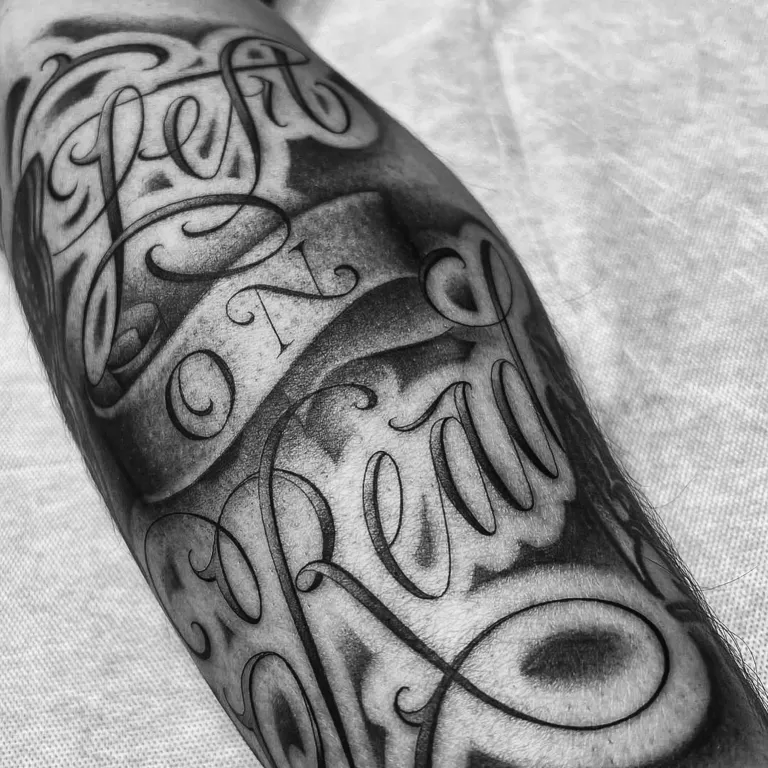
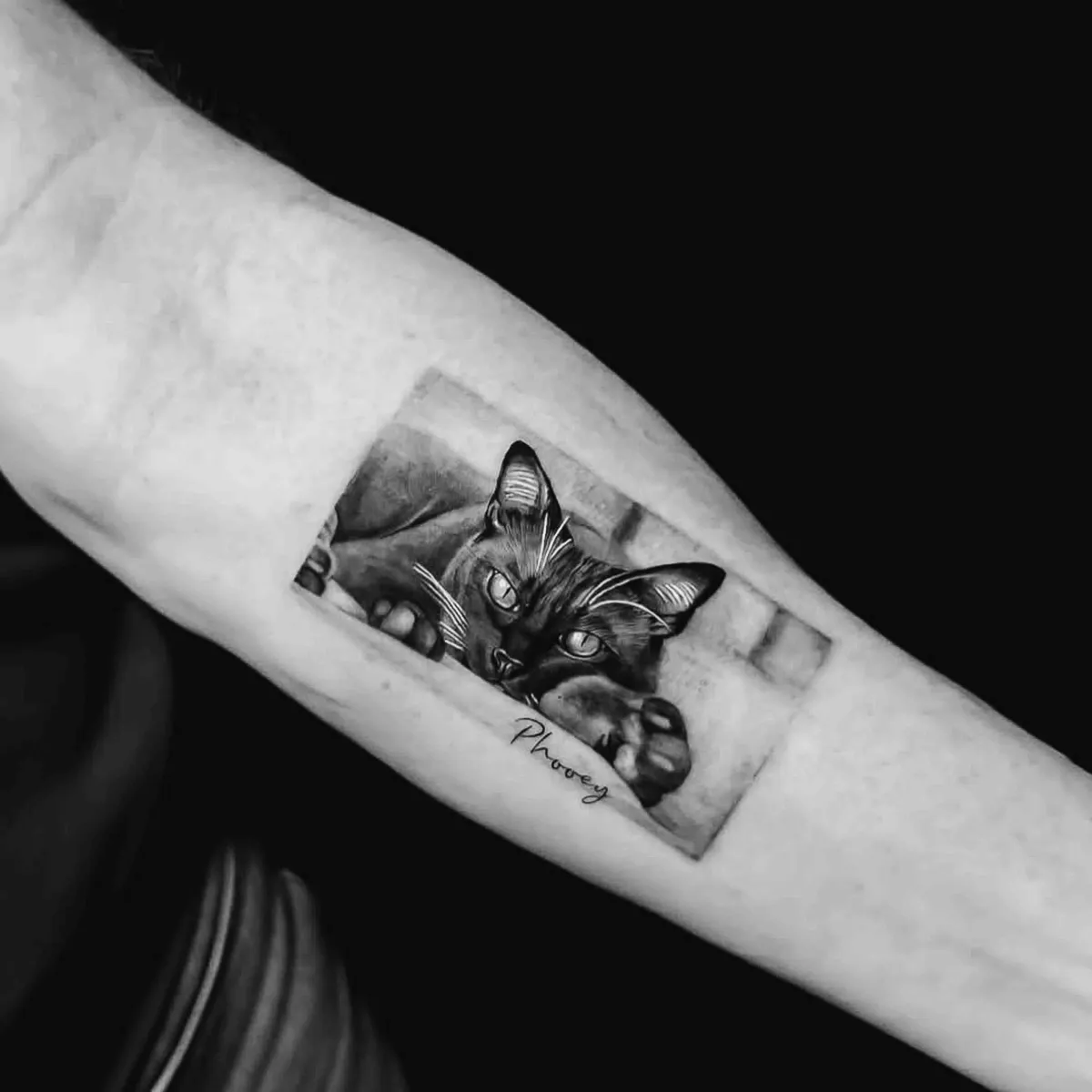
Every tattoo is a piece of art sitting on a living surface, and that surface is never quite the same from one person to the next. Skin has its own character — its tone, its oil, its thickness, the way it ages and the way it heals — and a good design is the one that works with all of it rather than against it. None of this is a barrier; tattoos belong on every kind of skin. It simply means a few choices are worth making with your particular canvas in mind, so the piece looks its best on the day and stays looking its best for years.
Why your skin is part of the design
When an artist considers a piece, they are not only thinking about the image. They are reading the surface it will live on — how light or deep its tone is, how much it stretches, where it folds, how it catches the light. A line that lands crisply on one person may read a touch softer on another, and a colour that sings on one skin can sit quietly on a different one. This is not a flaw in anyone’s skin; it is simply physics and biology, and an experienced artist designs around it instinctively.
The takeaway is a reassuring one. There is no “wrong” skin for a tattoo — there is only the design that suits the skin in front of us. The more honestly we talk about your skin at the start, the better the result tends to be.
Good work doesn’t fight the skin it sits on — it is designed for it.
Skin tone and choosing colour
Skin tone is the most common thing people wonder about, and the honest answer is that every tone takes a tattoo beautifully — the art is in choosing what suits it. Because the ink sits beneath the surface, your natural tone always plays a part in how a finished colour reads, in the same way a wash of paint reads differently over a warm canvas than a cool one. On deeper skin, bold, high-contrast designs and rich black-and-grey work tend to look especially striking, with crisp linework and confident shading carrying enormous impact.
Colour is absolutely possible on every tone — it is simply a matter of choosing shades and saturations that will stay vivid. Some lighter, more pastel colours can sit subtly on deeper skin, so an artist may steer towards deeper, more saturated tones that hold their punch. If you have your heart set on colour, say so early; we will talk through palettes honestly and design something that looks rich now and stays that way. For a fuller comparison, our guide to colour versus black-and-grey is a good next read.
Oily, dry and sensitive skin
Beyond tone, the everyday type of your skin matters too. Oily skin is very common and tattoos perfectly well — it can simply mean ink settles a fraction differently and that very fine, delicate detail benefits from a slightly more considered hand so it stays sharp over time. Dry skin tends to take a tattoo readily; the main thing is to arrive well moisturised in the days beforehand and to keep up gentle aftercare, as well-conditioned skin both takes ink and heals more comfortably.
Sensitive or reactive skin is worth flagging before we start. If you know your skin flushes easily, reacts to certain products, or you have a condition such as eczema or psoriasis, tell your artist at the consultation. Often it changes nothing more than the placement or the products we use; occasionally it is worth a chat with your doctor first. Either way, it is far better raised early than discovered mid-session.
Placement, thickness and how skin moves
Skin is not uniform across the body, and that shapes where a design works best. It is thinner and more tender over bone — ribs, feet, the inside of the wrist — and more cushioned over muscle, such as the outer arm or thigh. Thinner areas can feel sharper to tattoo and sometimes need a gentler approach with fine detail, while more padded areas are generally a kinder, steadier canvas, especially for a first piece or a long sitting.
Movement matters too. Skin over joints — elbows, knuckles, the backs of the hands — flexes constantly and is more prone to ink settling unevenly as it heals, which is one reason those spots can ask for a touch-up sooner than others. None of this rules anywhere out; it simply guides how a design is drawn and how we set expectations. Our piece on choosing placement goes deeper on matching a design to the right part of the body.
The same image asks for a different hand on the ribs than it does on the outer arm — the skin tells us how to draw it.
How different skin heals
Healing varies from person to person, and your skin type is part of that story. Most skin moves through the same broad stages — a settled first few days, a flaky peeling phase, then a slow quietening as it knits back together. Drier skin may peel a little more enthusiastically; oilier skin sometimes takes its time. None of that is cause for worry on its own, and our day-by-day aftercare guide walks through what each stage looks like.
What helps every skin type heal well is the same: keep it clean, moisturise lightly rather than heavily, keep it out of the sun, and resist the urge to pick or scratch as it flakes. That last point matters most on skin that scars easily — letting it heal undisturbed is how you protect the crispness of the work. If you scar readily or keloid, mention it beforehand so your artist can factor it into both the design and your aftercare.
Sun, age and the long game
Whatever your skin type, the two things that age a tattoo fastest are sun and time — and the sun is the bigger culprit by far. Australian UV is fierce, and unprotected exposure fades and blurs ink on every kind of skin. Once a tattoo is fully healed, a good sunscreen over it whenever it is out in the sun is the single most effective thing you can do to keep it sharp for decades. Our notes on how tattoos age and on protecting a new tattoo from the sun go further.
Skin also changes naturally over a lifetime — it loses a little firmness, shifts a touch with the body — and designs drawn with that in mind tend to age more gracefully. Bold, well-spaced work generally weathers the years better than the very finest detail, which is something we will weigh up together based on your skin and where the piece is going.
Talk it through at the consultation
The thread running through all of this is simple: the more we know about your skin, the better we can design for it. A consultation is exactly the place to raise any of it — your tone and the colours you are drawn to, whether your skin runs oily, dry or sensitive, any conditions or a tendency to scar, and where on your body you are picturing the piece. None of it changes whether you can have the tattoo you want; it just helps us make it look its best on you, specifically. Our guide to what to expect at a consultation covers how that conversation usually goes.
One honest closing note: this is general guidance, not medical advice. If you have a skin condition, an allergy, or you are simply unsure whether your skin is up to a session, have a word with your doctor first — and if a healing tattoo ever shows signs of infection such as spreading redness, heat, swelling or pus, see a doctor.